The Future of A/c Workers: What You Need to Find Out About Work Opportunities
The cooling and heating sector is undergoing substantial improvement, influenced by developments in technology and an expanding focus on sustainability. As energy-efficient systems gain traction, the need for proficient employees is expected to increase. Future heating and cooling specialists will need to adjust to these changes. Recognizing arising patterns and vital skills will be crucial for those seeking to flourish in this advancing landscape. What might these shifts mean for occupation opportunities in cooling and heating?
Emerging Fads in the Cooling And Heating Market
As the need for power efficiency and sustainability expands, emerging trends in the cooling and heating market are improving how professionals approach their job. The integration of wise technologies goes to the forefront, with smart systems enabling real-time monitoring and control of home heating and cooling down processes. This shift not only improves convenience yet also significantly lowers power consumption. Additionally, the usage of environmentally pleasant cooling agents is acquiring grip, in response to regulatory modifications and a cumulative push towards greener alternatives.
Modular and versatile Cooling and heating systems are becoming much more preferred, allowing less complicated installation and customization to satisfy certain demands. Training and accreditation in these innovative technologies are essential for cooling and heating specialists to continue to be competitive in the developing market. Overall, these fads signify a transformative period for the sector, highlighting the relevance of development and adaptability in safeguarding future task opportunities for a/c employees.
Important Abilities for Future HVAC Professionals
Proficiency in important skills is vital for future cooling and heating professionals navigating a rapidly advancing industry. Technical acumen in locations such as refrigeration, electrical systems, and thermodynamics remains fundamental. Understanding of modern-day HVAC technologies, consisting of smart systems and automation, is progressively significant as structures become a lot more interconnected.
Furthermore, strong troubleshooting abilities allow professionals to diagnose and solve issues effectively, decreasing downtime and enhancing client complete satisfaction (HVAC Jobs Only jobs). Interaction skills are also vital, as specialists need to commonly explain intricate ideas to clients and collaborate with various other trades
Furthermore, an understanding of safety protocols assures that HVAC workers can execute their jobs without compromising safety standards. Adaptability is important, as the industry proceeds to evolve with brand-new laws and modern technologies.
The Effect of Power Performance and Sustainability
While the need for heating and cooling services continues to expand, the focus on power effectiveness and sustainability has transformed the market landscape. As climate adjustment issues rise, both consumers and regulatory bodies are focusing on eco-friendly solutions. This shift has resulted in increased adoption of sophisticated innovations such as smart thermostats, variable refrigerant circulation systems, and energy-efficient tools. Cooling and heating professionals are now required to possess expertise of these innovations and their installation procedures.
Services are incentivized to embrace energy-efficient systems with tax obligation credits and rebates, better increasing demand for competent workers that can implement and preserve these remedies. As companies seek to reduce functional expenses and boost their ecological footprint, the duty of a/c technicians is evolving. Comprehending lasting practices not just enhances their marketability yet also positions them as crucial contributors to a greener future, making certain a crucial role in the ongoing adjustment toward energy-efficient building methods.
Job Advancement Opportunities in A/c
Numerous profession innovation chances exist within the a/c market, mirroring its dynamic nature and growing demand for knowledgeable experts. Entry-level why not try these out service technicians can progress to specialized duties, such as installation specialists, solution supervisors, or system developers - HVAC Jobs Only. As they acquire experience and certifications, employees can move right into supervisory settings, looking after procedures and groups
Proceeding education and learning is important, with numerous professionals pursuing advanced certifications from companies like the cooling and heating Quality or the Refrigeration Service Engineers Culture. These credentials can improve work potential customers and potential earnings.

In addition, the surge of green modern technologies uses opportunities for HVAC employees to concentrate on energy-efficient systems, better expanding their job courses. Opportunities likewise exist in sales and customer support, where technological expertise improves customer relations. The A/c area not just supplies a steady profession but additionally cultivates development and development, encouraging people to increase their abilities and expertise continually.
The Duty of Innovation fit Cooling And Heating Jobs
As modern technology proceeds to progress, its effect on cooling and heating jobs comes to be significantly noticable, changing exactly how experts approach upkeep, repair service, and setup jobs. Automation and smart systems have changed typical approaches, permitting service technicians to from another location keep an eye on tools and detect issues with accuracy. These advancements not only boost performance yet additionally decrease downtime, eventually benefiting both employees and customers.

Additionally, the appearance of sustainable power innovations, such as solar and geothermal systems, is increasing task possibilities in the HVAC market. The duty of modern technology is not simply a tool for renovation yet a catalyst for growth and technology within the market.
Often Asked Inquiries
What Is the Ordinary Salary for Heating And Cooling Employees in 2023?
In 2023, the ordinary wage for heating and cooling workers in the United States is roughly $50,000 annually - HVACJobsOnly. Aspects such as area, field of expertise, and experience can considerably affect specific earnings within this career
Are There Job Opportunities in A/c for Entry-Level Employees?
Yes, there are task chances in cooling and heating for entry-level employees. Several firms look for people eager to find out, providing training programs and apprenticeships. This field continues to expand, using different duties for newcomers in the industry.
How Does Certification Influence Cooling And Heating Task Potential Customers?
Accreditation substantially improves heating and cooling work potential customers by demonstrating competence and commitment to the field. Companies commonly like licensed candidates, watching them as more certified, which can result in boosted chances and potentially higher incomes for licensed technicians.
What Geographical Areas Have the Highest Possible Need for HVAC Workers?
The highest possible demand for HVAC employees usually exists in urban regions with extreme environments, such as the Southwest and Northeast United States. Fast populace growth and industrial development likewise contribute to increased task opportunities in these areas.
What Are Typical Occupation Paths Within the Cooling And Heating Industry?
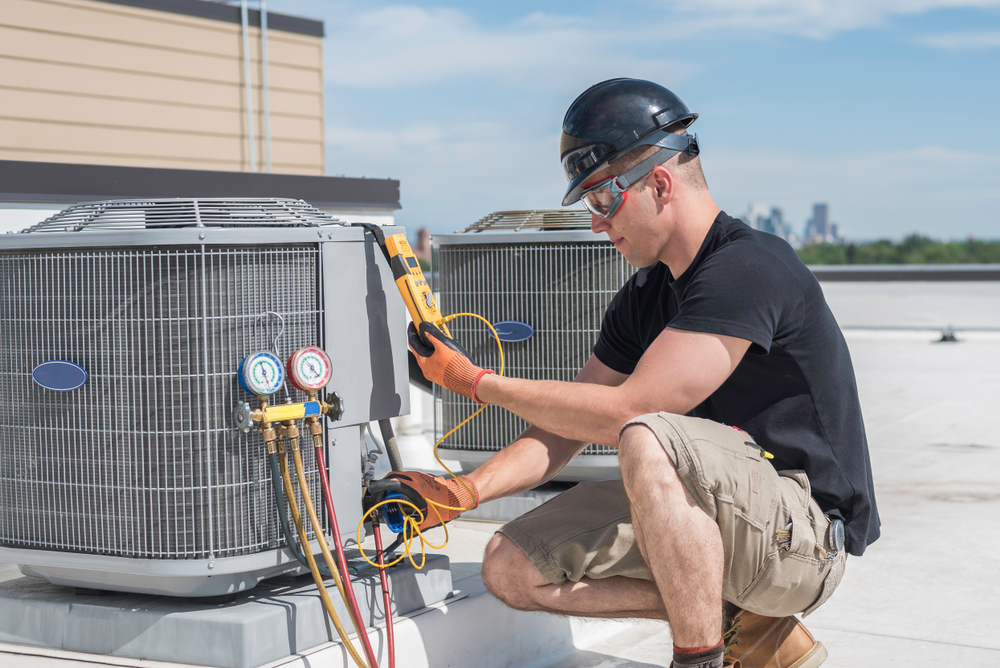
The Cooling and heating market is undergoing significant improvement, affected by developments in innovation and a growing focus on sustainability. As the demand for power efficiency and sustainability expands, arising fads in the Heating and cooling market are improving exactly how experts approach their work. Efficiency in crucial abilities is critical for future Heating and cooling specialists navigating a rapidly progressing sector. Various profession advancement possibilities exist within the A/c industry, showing its dynamic nature and expanding need for knowledgeable professionals. Usual career courses within the HVAC market consist of installation technicians, service professionals, system design engineers, sales reps, and Cooling and heating maintenance supervisors.